
Drainage Paths That Protect Access Roads
Culvert Installation in Corsicana for driveways and roads vulnerable to erosion and water damage
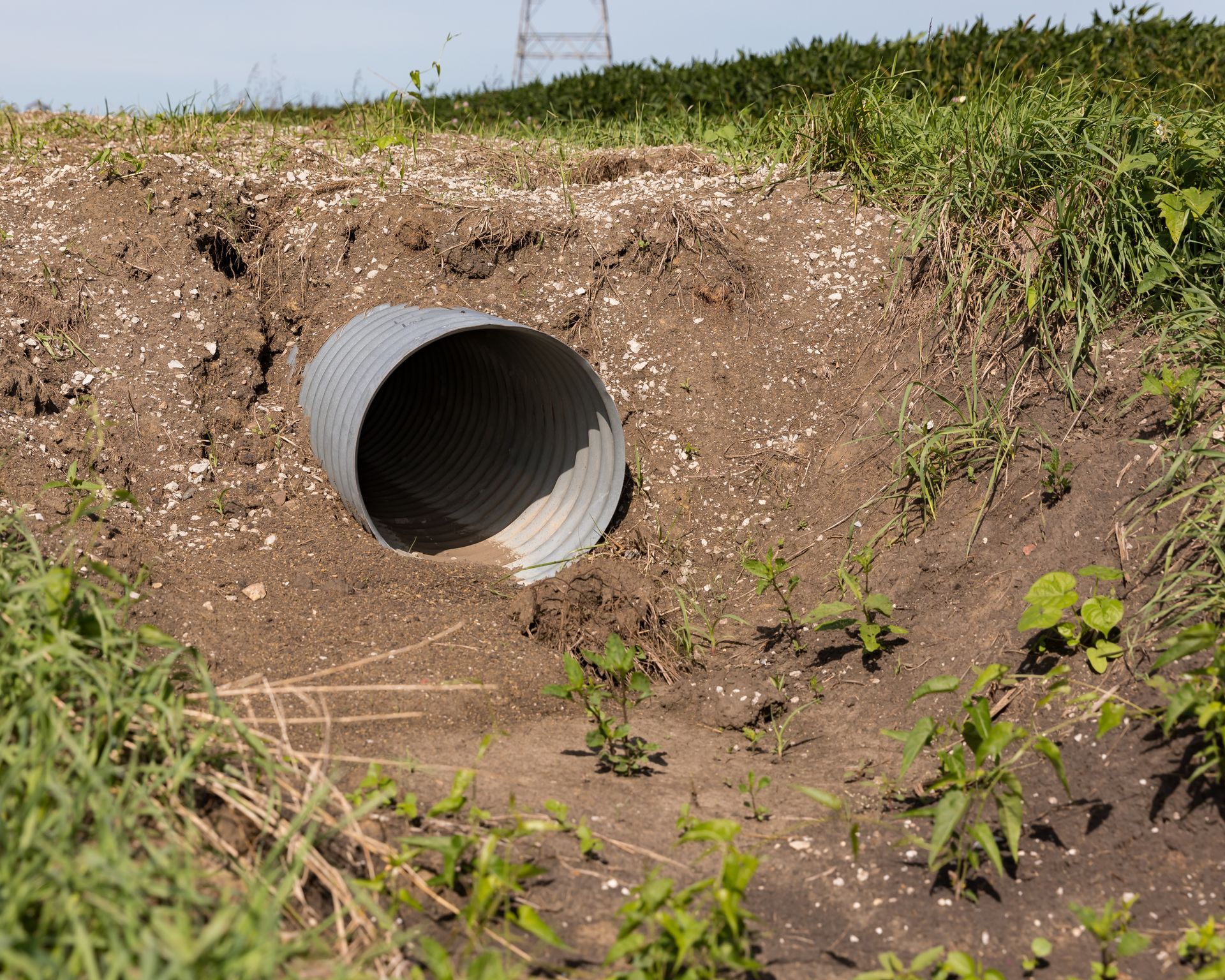
Water flowing across driveways and access roads during rain events washes out gravel, erodes soil, and creates ruts that make the surface impassable until repairs are made. Culverts channel that water underneath the road surface, preserving the driving path while allowing drainage to continue flowing naturally across the property. Miller Terrain Solutions installs culverts in Corsicana, sizing and placing these drainage structures to handle water volume from storms while protecting road surfaces from erosion and structural failure. Proper installation accounts for water flow patterns, soil conditions, and the loads the road surface will carry once the culvert is in place.
Installation involves excavating the drainage path to proper depth and slope, placing the culvert pipe at an angle that maintains water flow velocity, backfilling with compacted material that supports road weight without shifting, and rebuilding the road surface over the structure. Culvert sizing depends on the watershed area draining through that point—undersized pipes back up during heavy rain, while properly sized culverts handle storm flow without overtopping the road. Central Texas experiences intense rainfall events that produce significant runoff, making culvert capacity and placement critical to preventing washouts on rural properties and ranch access roads.
Schedule a drainage assessment to identify where culverts would prevent road erosion and improve water flow across your property.
Why Proper Culvert Placement Works for Drainage
Culvert installation begins with identifying natural drainage paths and determining pipe diameter needed to handle peak flow during storm events. Operators excavate a trench across the road alignment, establishing inlet and outlet elevations that maintain enough slope for water to flow through without sediment buildup. Pipe material—typically corrugated metal or reinforced plastic—gets placed and aligned, then backfilled with select material compacted in layers to prevent settling under vehicle traffic. Headwalls or wingwalls at inlet and outlet points prevent soil erosion around pipe ends and guide water into and out of the structure.
After culvert installation, water flows beneath the road surface instead of across it, eliminating the erosion and washouts that previously damaged the driveway during rain. The road remains passable during and after storms because water moves through the culvert rather than ponding or cutting channels across the surface. Properly sized and installed culverts continue functioning for decades, requiring only occasional cleaning to remove debris that accumulates at the inlet.
Installation considerations include pipe diameter and length based on road width and drainage volume, inlet protection to prevent clogging from debris, and whether the site requires concrete or rock headwalls to stabilize soil around pipe ends. Some installations involve multiple culverts where drainage converges from different directions, while others include sediment traps upstream to reduce material entering the pipe. Road base material above the culvert must be compacted adequately to prevent dips or failures as the backfill settles under traffic loads. Maintenance access to both ends allows periodic cleaning when leaves, sediment, or other debris restrict flow.
Common Questions About This Service
Culvert installation involves engineering decisions and site-specific factors that determine long-term drainage performance. Property owners in Corsicana planning road or driveway improvements typically ask these questions about culvert work.
What size culvert is needed for my driveway?
Pipe diameter depends on the drainage area flowing through that point and rainfall intensity expected in your region—undersized culverts back up during storms, while properly sized pipes handle peak flow without overtopping the road surface.
How is culvert slope determined?
Inlet and outlet elevations must create enough gradient for water to flow through the pipe without pooling or depositing sediment—too flat and the culvert clogs, too steep and outlet erosion becomes a problem requiring additional stabilization.
What happens if a culvert gets clogged?
Water backs up and flows over the road surface, causing the same erosion and washout problems the culvert was installed to prevent—regular inspection and clearing debris from the inlet maintains flow capacity and prevents damage.
How do soil conditions in Corsicana affect culvert installation?
Clay soils require careful compaction of backfill material to prevent settling under the road surface, and headwalls or riprap may be needed at outlets to prevent erosion where water exits the pipe into natural drainage channels.
What indicates a culvert installation is working correctly?
Water flows through the pipe during rain events without backing up or overtopping the road, the road surface remains intact without dips or washouts, and drainage continues downstream without excessive erosion at the outlet.
Miller Terrain Solutions sizes and installs culverts based on drainage analysis and long-term road protection requirements. Contact us to evaluate where culvert installation would prevent erosion and maintain access during wet conditions on your Corsicana property.