
Roads That Drive Smoothly Again
Gravel Road Rejuvenation in Corsicana for private roads showing ruts and washboard surfaces
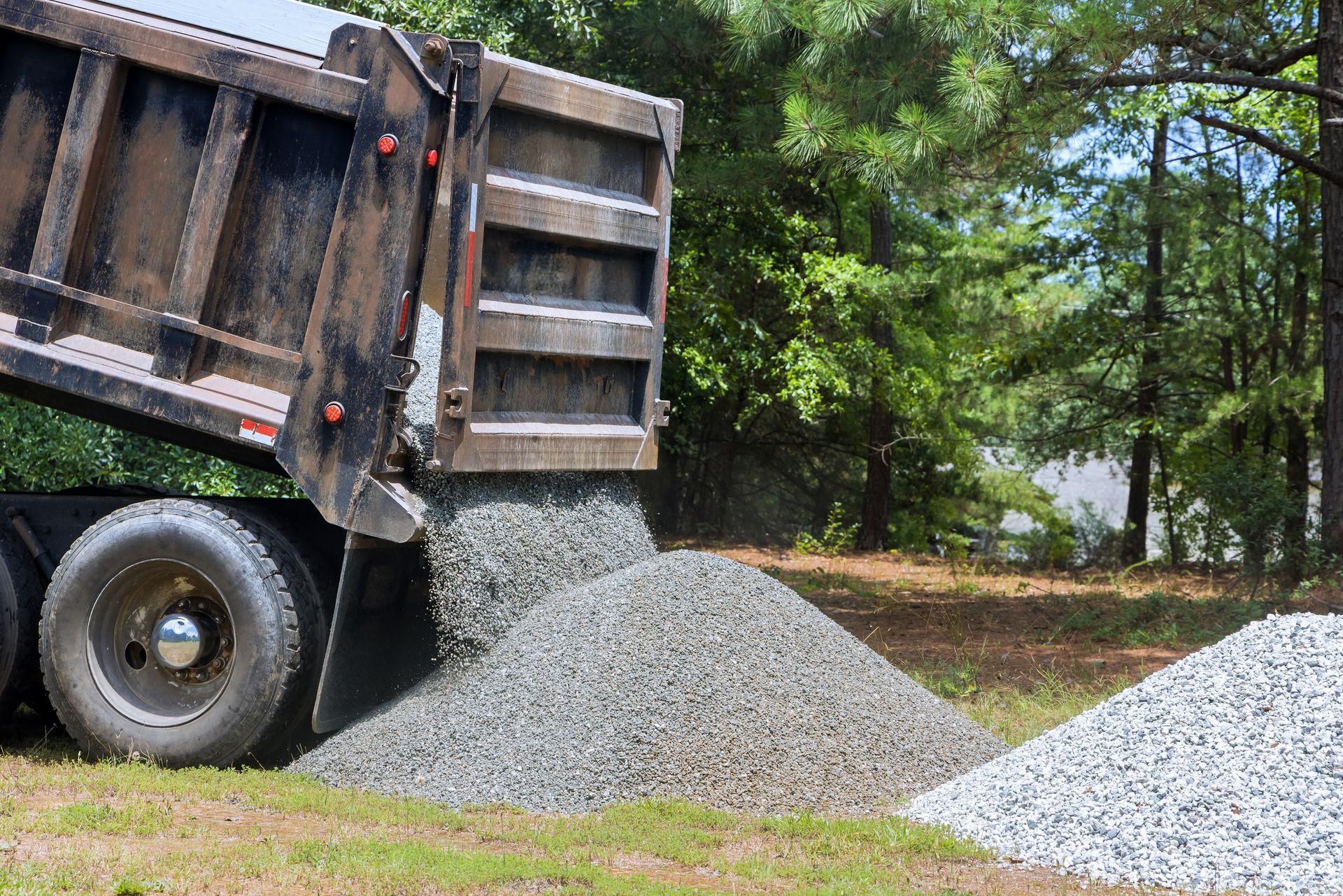
Miller Terrain Solutions restores gravel roads across Corsicana that have developed the rough, washboarded surface and deep ruts that make driving uncomfortable and damage vehicles. Rejuvenation reshapes the existing road, corrects drainage problems, and adds fresh gravel only where the existing material has worn too thin. You end up with a smooth, stable road surface without the expense of tearing out the old road and starting over.
The process involves grading equipment that scarifies the worn surface to break up hardpan and washboard ridges, then reshapes the road to restore proper crown and drainage. Material gets pulled from the edges back to the center, and any low spots or ruts get filled before the final shaping pass. If the existing gravel has compacted into the soil or washed away, new material gets spread and blended in.
Request a gravel road evaluation to determine whether your road needs reshaping, new material, or both.
Why Gravel Roads Develop Washboard and Ruts
Washboard forms when vehicles travel at consistent speeds over gravel, setting up a harmonic vibration that pushes material into evenly spaced ridges. Ruts develop where the road crown has flattened and water runs down tire tracks instead of off to the sides. Both problems worsen over time as traffic continues following the same worn paths.
After rejuvenation, you notice the vehicle rides smoothly without the constant jarring from washboard ridges. Steering stays straight instead of pulling toward ruts, and water drains off the road surface during storms rather than pooling in the wheel tracks. Ranch roads regain the crown that directs runoff into side ditches, which prevents the road base from eroding out from underneath the gravel.
Rejuvenation costs significantly less than complete road reconstruction because the existing base and most of the gravel remain usable. The work extends road life by years and makes maintenance easier—roads that drain properly require less frequent regrading than those where water sits and softens the base.
Answers to Frequent Road Maintenance Questions
Private road owners often wonder how often rejuvenation should happen and what conditions indicate the road needs more than just a light grading.
What's the difference between rejuvenation and regular grading?
Rejuvenation involves scarifying the hardened surface and fully reshaping the road profile, while regular grading just smooths the top layer without breaking up compacted material underneath.
How does reshaping improve drainage on gravel roads?
Restoring the road crown creates a peak in the center that slopes toward both edges, so rainwater sheets off instead of running down the middle and carving channels through the gravel.
When should a road be rejuvenated instead of just receiving fresh gravel?
If the existing road has lost its crown, developed deep ruts, or shows washboard across the entire surface, reshaping the base fixes the underlying drainage problems that new gravel alone won't solve.
What causes gravel roads to fail faster in Central Texas?
Clay soils common around Corsicana become slick when wet and expand when saturated, which pushes gravel out of place and accelerates rutting if drainage isn't maintained properly.
How long does rejuvenation typically extend road life?
Properly rejuvenated roads with restored drainage usually require only light grading for three to five years before needing another full reshaping, depending on traffic levels and weather.
Miller Terrain Solutions evaluates the condition of existing gravel roads to recommend whether rejuvenation will restore usability or if sections need base repair before reshaping. Contact the team to schedule an inspection of your private or ranch road.