
Driveways Built to Handle Daily Use
Gravel Driveway Installation in Corsicana for properties needing reliable vehicle access
Mud ruts and washed-out tracks make getting to your home or shop unpredictable after rain. A properly built gravel driveway creates a stable surface that sheds water instead of holding it. Miller Terrain Solutions installs gravel driveways across Corsicana designed to support regular traffic without breaking down into soft spots or requiring constant rework.
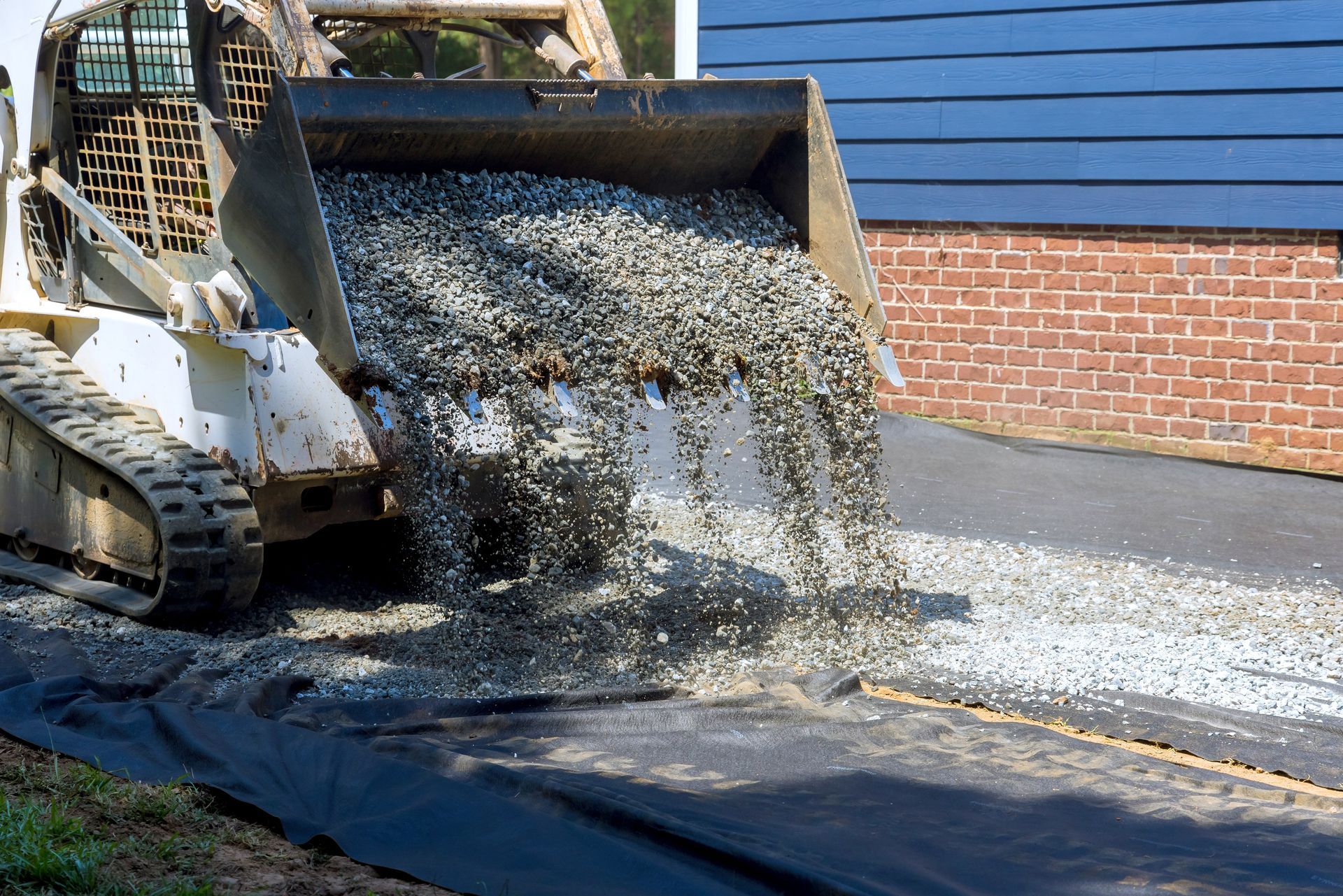
The installation process begins with excavating the driveway path and establishing the correct slope for drainage. A compacted base layer goes down first, followed by the gravel surface material. The base prevents the gravel from sinking into soft soil underneath, which is what causes most driveways to fail within a year or two. Material selection matters—larger aggregate at the base provides structure, while smaller gravel on top locks together under tire pressure.
Schedule a driveway consultation to review the route, drainage requirements, and material options for your property.
How Proper Base Preparation Extends Driveway Life
Grading determines where water goes once it hits the driveway surface. The path needs a crown or cross-slope so rain runs off to the sides instead of running down the center and carving channels. Without this shaping, even heavy gravel washes away during storms common in Central Texas.
Once the gravel settles and compacts from vehicle traffic, you see a firm surface that doesn't shift under tires or develop the soft spots that trap trucks during wet weather. The driveway drains quickly after rain instead of holding puddles, and the gravel stays in place rather than scattering into the yard. Homes and ranches regain reliable access year-round, and delivery trucks or equipment trailers no longer risk getting stuck halfway up the drive.
Thickness depends on soil conditions and expected vehicle weight—residential driveways handling passenger vehicles require less base depth than farm entrances supporting loaded grain trucks or livestock trailers. The gravel type also varies; some properties need angular crushed stone that locks tightly, while others work fine with rounded river gravel if traffic stays light.
Common Questions About Gravel Driveways
Driveway projects involve decisions about materials, drainage, and maintenance that affect how long the surface lasts and how much upkeep it requires.
What makes a gravel driveway last longer than a dirt path?
The compacted base layer prevents gravel from sinking into soft ground, and proper grading keeps water from pooling or washing material away during heavy rain.
How does driveway grading prevent washouts?
Creating a slight crown or slope across the width forces rainwater to sheet off to the sides instead of channeling down the middle and eroding the surface.
When does a driveway need fresh gravel added?
Most installations require a top-off within two to three years as traffic works the surface material into the base, though well-compacted driveways with good drainage last longer between additions.
What gravel size works best for driveways in Corsicana?
A base layer of larger crushed aggregate provides stability, topped with smaller gravel that compacts tightly—this combination handles the clay soils common in Central Texas without excessive shifting.
Does a gravel driveway improve property value?
Reliable vehicle access and better curb appeal both contribute to property marketability, especially for rural homes where paved access isn't standard.
Miller Terrain Solutions builds gravel driveways that account for local soil conditions and drainage patterns so the finished surface handles weather and traffic without constant repair. Request an estimate to discuss the route layout and material specifications for your property.